Meow Famous: The Streaming Pets That Accidentally Became Internet Celebrities
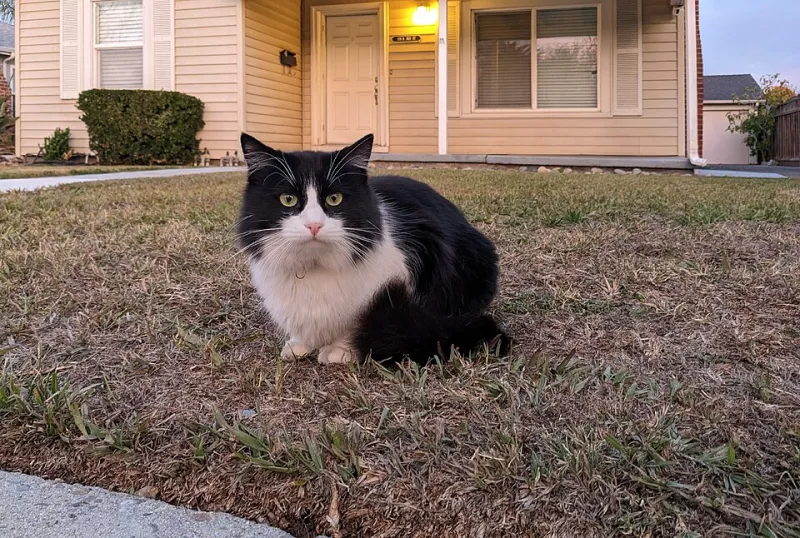
Photo: Grendelkhan, CC BY-SA 4.0, via Wikimedia Commons
Bobby Lee, a tabby cat belonging to a mid-tier Twitch streamer with maybe 8,000 followers, has his own fan Discord server. It has more members than his owner's. Bobby Lee did not create content. Bobby Lee does not have a streaming schedule. Bobby Lee mostly sleeps on a keyboard and occasionally walks across the camera at inconvenient moments during competitive gaming sessions. And yet.
This is the reality of streaming pet celebrity, and it is completely unhinged, and it is also completely understandable once you spend about five minutes thinking about why people watch streams in the first place.
The Supporting Cast Nobody Planned For
When streamers first started broadcasting themselves playing video games, the appeal was about access — the sense that you were hanging out with someone, watching them do a thing in real time. It was parasocial connection before anyone was really using that term. You weren't just watching a performance; you were watching a person.
Pets, it turns out, amplify that effect dramatically. A cat wandering into frame isn't a planned content beat. It's not scripted, it's not optimized, it's not trying to grow the channel. It's just a cat doing cat stuff, completely indifferent to the stream, the audience, and the concept of entertainment itself. And that authenticity — that total, blissful unawareness — is apparently catnip for internet audiences.
Some of the most famous examples have become genuine cultural touchstones within their communities. Gamba, the cat belonging to streamer Moistcr1TiKaL (Charles White Jr.), became so beloved that clips of the cat just existing — being held, wandering around, sitting — would routinely pull massive view counts. Fans who stumbled onto the channel specifically to see the cat ended up sticking around for the human. The pet became a funnel.
Then there's the phenomenon of streamers whose pets have generated more dedicated fan art than they themselves have. That's not a knock on the streamers — it's just that a fluffy orange cat sitting in a gaming chair hits differently than almost anything else the internet has to offer.
Why We're So Attached to Animals We've Never Met
The psychology here isn't that complicated, but it is worth unpacking. Humans are wired to respond to animals — particularly domesticated ones — on a pretty deep level. There's research suggesting that looking at cute animals triggers the same neurological reward pathways as looking at human babies. We're basically evolutionarily hacked to find them compelling.
But streaming pets hit different than, say, a random cute animal video. The key is continuity. When you follow a streamer regularly, you watch their cat grow up. You see it as a kitten, you watch it develop a personality, you notice when it seems off one day and feel genuinely relieved when it's back to normal the next stream. You build a relationship with an animal you will never be in the same room with, and that relationship is surprisingly real in terms of emotional investment.
For a lot of viewers — particularly those dealing with loneliness, social anxiety, or just the general grinding isolation that became a defining feature of American life after 2020 — that connection matters. A lot. Streaming pets offer companionship without reciprocal obligation. They're always there. They're always themselves. They don't have bad takes on Twitter.
The Economics of Pet-Adjacent Fame
Here's where it gets genuinely interesting from a content business perspective: pets have become a legitimate asset class in the streaming economy.
Streamers have noticed that pet appearances drive engagement metrics. Clips featuring pets get shared more. Pet-themed merch sells. Some creators have leaned into this so hard that the pet has effectively become a co-host — scheduled appearances, recurring bits, dedicated stream segments. A few have gone even further, creating separate social accounts for their animals that operate as distinct content channels.
The YouTube channel for one well-known gaming creator's dog has over a million subscribers. The dog's content consists primarily of existing. Occasionally the dog goes for a walk. Sometimes the dog eats something. The production value is minimal. The audience is enormous.
Brands have taken notice too. Pet product companies, pet food brands, even general consumer goods companies have begun approaching streamers specifically for pet-integrated sponsorships. The logic is sound: a streamer's cat wearing a branded bandana and wandering across the desk during a sponsored segment is more memorable and more shareable than a standard ad read. The cat doesn't know it's doing an ad. That's the whole point.
The Dark(ish) Side of Pet Celebrity
It would be weird not to acknowledge that there's something a little strange about all of this. Pets can't consent to being internet celebrities. They don't understand that thousands of strangers know their names and have opinions about their personalities. Some animal welfare advocates have raised legitimate questions about what it means to build content around an animal's life without their input — though most streaming pet situations seem, by all accounts, to involve animals that are well cared for and not particularly stressed by a camera in their vicinity.
There's also the grief dimension, which streaming communities handle with varying degrees of grace. When a beloved streaming pet dies — and it happens, because pets don't live as long as we'd like — the audience mourns collectively and publicly in a way that can feel overwhelming. Streamers have had to navigate announcing the deaths of their pets to hundreds of thousands of viewers who felt genuine personal loss. That's a strange emotional burden that didn't really exist before this era of content creation.
What It All Actually Means
At the end of the day, the rise of the streaming pet as independent celebrity is just another data point in the ongoing story of what the internet does to our sense of connection and community. We form attachments to things we encounter regularly and consistently. We respond to authenticity. We love animals. Put those things together in a live broadcast format and you get Bobby Lee the tabby cat with his own fan Discord and more members than his owner.
Is it weird? Absolutely. Is it also kind of beautiful that a cat can wander across a camera and make thousands of lonely people feel a little less alone for a minute? Yeah, actually. It kind of is.
Now if you'll excuse us, there's a Twitch stream starting in four minutes and apparently the streamer's corgi is going to be on camera for the intro segment, and we have priorities.