Ghost Accounts and Cringeworthy Usernames: A Field Guide to Excavating Your Digital Past
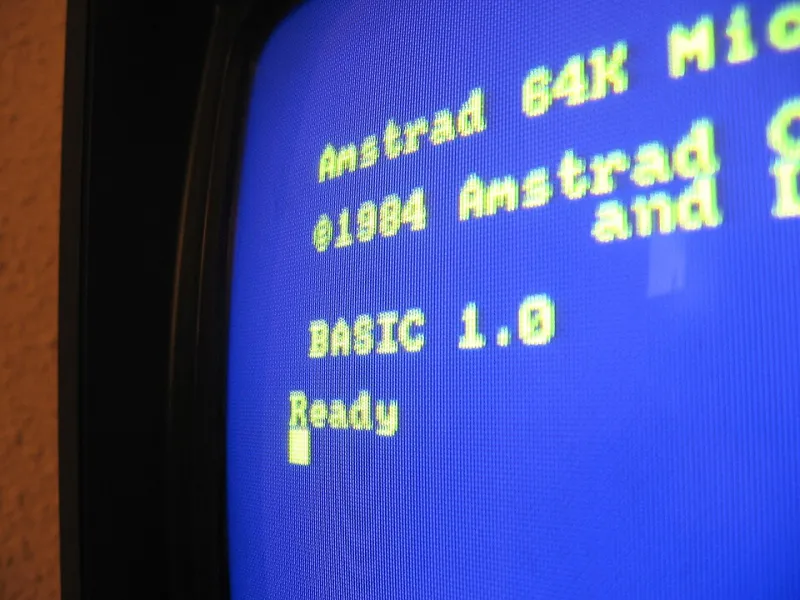
Photo: Manuel Bartual from Madrid, España, CC BY-SA 2.0, via Wikimedia Commons
Somewhere in the digital wilderness, a fourteen-year-old version of you is still technically active on a Twilight fan forum. Their avatar is blurry, their signature is a glittery quote about Team Edward, and their last post is from 2009. You haven't thought about that username in over a decade — but it's still there, frozen in time, waiting.
The experience of stumbling across your own abandoned internet accounts is one of those uniquely modern phenomena nobody really prepared us for. It's not quite nostalgia. It's not quite embarrassment. It's something in between — a weird little jolt of recognition, like running into a photo of yourself at a birthday party you'd completely forgotten attending.
And for a growing number of people, it's become an actual hobby.
Why We Go Looking in the First Place
The impulse to dig up your old digital footprints usually starts with something small. Maybe you Google your own name out of idle curiosity, or you're trying to recover an old email address, or you're just three drinks in on a Friday night and feeling nostalgic. Whatever the trigger, once you start pulling that thread, it's hard to stop.
Part of what makes it so compelling is that the early internet was, in a lot of ways, a consequence-free zone — or at least it felt that way. You made up a username, picked a fandom, and built a tiny version of yourself in some corner of the web that you assumed nobody would ever connect back to real-life you. The idea that those digital artifacts would just persist, quietly surviving server migrations and platform acquisitions, wasn't something most of us considered when we were thirteen.
But persist they did. And now they're out there, a scattered archaeological record of every phase you went through, every interest you briefly obsessed over, every opinion you held with the total unearned confidence of someone who had never paid rent.
The Tools of the Trade
If you're ready to go digging, the good news is that you don't need to be a tech wizard. A few strategies tend to work surprisingly well.
Google is your first stop. Search your old usernames directly — not just your real name. Think back to the handles you actually used. Were you xXDarkWolfXx on DeviantArt? stardustgirl2003 on Neopets? Plug those in. You might be shocked what surfaces.
The Wayback Machine (web.archive.org) is basically a time capsule for the internet. If a site you used to frequent has since gone dark, there's a decent chance the Internet Archive crawled it at some point. Old forum posts, profile pages, even entire message boards can still be browsed through archived snapshots. Fair warning: this rabbit hole goes deep.
Have I Been Pwned (haveibeenpwned.com) is primarily a security tool — it tells you if your email has shown up in a data breach — but it's also inadvertently useful for jogging your memory about which platforms you once signed up for. The list of breached services it returns can read like a tour through your internet history.
Old email inboxes are gold. If you can still access an email account from your middle or high school years, the confirmation emails and notification digests in there will map out your forgotten social media presence better than anything else.
What People Actually Find
The discoveries vary wildly, and that's part of the appeal. Some people unearth genuinely wholesome stuff — old creative writing they'd totally forgotten about, fan art they made for a show they loved, or long comment threads with people they once considered online friends. There's something unexpectedly touching about reading a conversation from 2007 and realizing that the person you were back then was actually kind of sweet, or funny, or way more passionate about things than you let yourself be now.
Other finds are more... instructive. The opinions you held at fifteen, stated with total conviction in a public forum, have a way of aging poorly. Political hot takes, arguments about fictional characters, casual cruelties that you probably didn't think twice about at the time — it's all still there, preserved in amber.
And then there are the usernames themselves. The sheer creativity (or lack thereof) that went into early internet handles is its own kind of time capsule. If your username contained the word "shadow," the number 666, or a reference to your favorite band from 2004, congratulations — you were extremely normal, and also extremely of your era.
The Question of Deletion
Once you've found your old accounts, you're faced with a choice: leave them or kill them.
Leaving them has a certain charm. There's something almost romantic about the idea of your teenage self living on in some forgotten corner of the web, frozen at a particular moment in time. Plus, deletion is often harder than it sounds — a lot of older platforms either have broken account management systems or have been acquired by companies that don't make it easy.
But there are real reasons to want your digital past cleaned up. Old accounts are security vulnerabilities, especially if they're tied to passwords you reused. They can also surface in background checks or general Googling in ways that are inconvenient at best. For anyone in a public-facing job or building a professional online presence, a decade-old forum persona can be an unwelcome complication.
Services like JustDeleteMe (justdeleteme.xyz) maintain a directory of direct links to account deletion pages for hundreds of platforms, rated by how difficult the process actually is. It won't cover every obscure forum you ever joined, but it's a solid starting point.
The Weird Comfort of Digital Archaeology
Here's the thing nobody really talks about: finding your old accounts can actually feel kind of good, even when it's embarrassing. There's something grounding about seeing the full arc of who you've been online — the phases, the interests, the wildly confident wrongness of your teenage opinions — because it's evidence that you've actually changed and grown. That person who posted eighteen times in one day about a TV show they were obsessed with? They became you, somehow. That's genuinely kind of remarkable.
The internet tends to feel very present-tense, very immediate. Everything is about what's happening right now, what people are saying today. Digging up your own digital history is one of the few ways the web lets you actually look backward — and sometimes, looking backward is exactly what you need.
So go ahead. Google that old username. See what comes up. Just maybe don't read your old forum posts out loud to anyone who knows you in real life.