Ask a Human: Inside the Lives of People Who Refuse to Search Anything

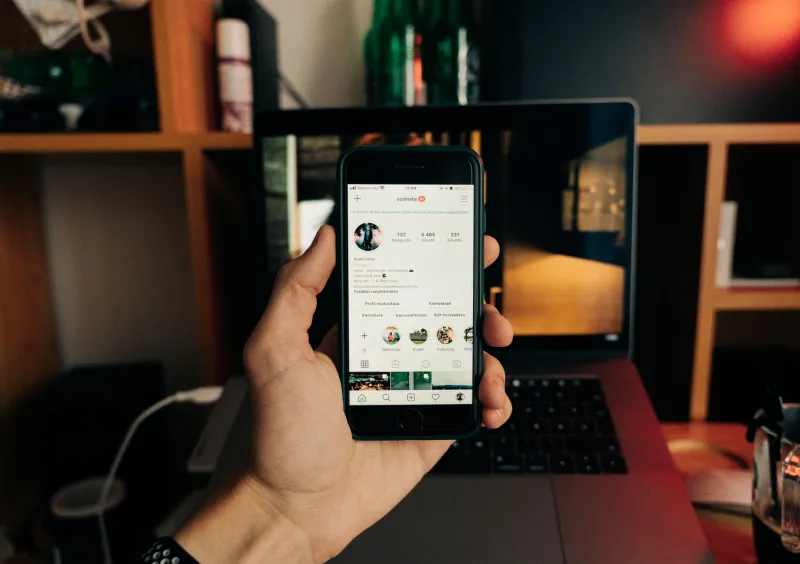
Photo: Shixart1985, CC BY 2.0, via Wikimedia Commons
Somewhere in Ohio, there's a man who has never Googled anything. Not once. Not his symptoms, not the weather, not 'how to remove a tick.' When he needs to know something, he asks his wife, his neighbor Dave, or — and this is the part that would break most of us — he simply waits until he can get to the library.
He is not alone. He's just rare enough that when researchers and journalists stumble across people like him, it feels like finding a digital Sasquatch.
The Last Holdouts
Estimates suggest the overwhelming majority of American adults use search engines, and most of them use them daily. Which means the people who don't — the genuine never-searchers — make up a sliver of the population small enough to fit in a group chat.
They tend to fall into a few camps:
- The privacy purists. They read the fine print in 2013 and never came back. To them, every query is a confession, and they've decided to stop confessing.
- The stubbornly analog. These aren't technophobes exactly. They have smartphones, they text, they Venmo their nephew. They just believe that looking things up is a character flaw.
- The community-reliant. They ask a person. Always a person. The hardware store guy, the church group, the cousin who 'knows computers.'
- The genuinely uninterested. A smaller group who simply never formed the habit and now find the whole thing exhausting to learn.
A Day Without Answers
Imagine your morning, but every question gets routed through a human or left unanswered. The recipe? A cookbook, or a phone call to your mother. The traffic? The radio. The weird rash? A pharmacist, who — fun fact — is trained for exactly this and probably gives better advice than a doom-spiral at midnight.
What's striking in interviews with never-searchers is how few of them describe their lives as limited. Many describe them as slower, which they consider a feature. One woman in her sixties put it bluntly: 'If it can't survive until I see someone who knows, it probably wasn't that important.'
Try sitting with an unanswered question for a full day. Most of us last about four minutes.
Are They Accidentally the Future?
Here's the uncomfortable part. The privacy-focused future that tech critics keep demanding — no tracking, no profiling, no data exhaust — already exists. It's just inhabited by people who also don't use streaming recommendations or get coupons eerily tailored to their life events.
Data privacy researchers have noted that opting out of search is one of the only truly effective ways to shrink your digital footprint. Ad blockers help. Encrypted browsers help. But not asking the machine anything at all? That's the nuclear option, and the holdouts pulled the trigger years before it was cool.
Whether their approach scales is another question. Their system runs on social capital — knowing a guy, having a neighbor, belonging to a community. That's harder to build than it is to download.
What We Gave Up Without Noticing
Nobody's arguing you should delete your search bar. But the never-searchers highlight something we've quietly traded away: the friction that used to come with curiosity. When answers cost something — a phone call, a library trip, a genuine conversation — we asked fewer questions, but the ones we asked stuck.
Now we ask a hundred questions a day and remember none of them.
There's something almost enviable about a life where 'I'll look it up' isn't the default ending to every conversation. Not enough to give up instant answers, admittedly. But enough to occasionally text a friend instead of typing into the void.
Dave, for the record, doesn't mind being the search engine. He says it keeps him relevant.