You've Heard It a Thousand Times and Still Don't Know What It's Called
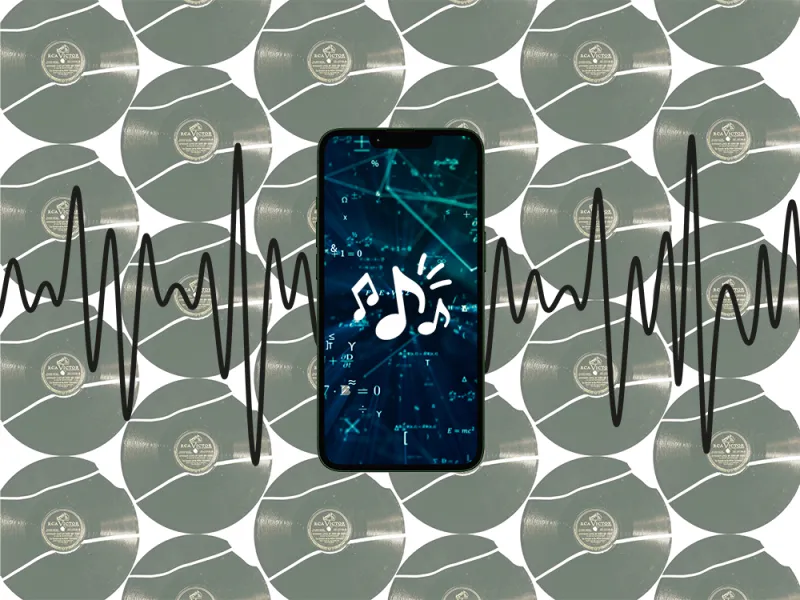
Photo: TikTok phone screen audio sound wave music discovery, via workingdraftmagazine.com
At some point in the last few years, you almost certainly heard a specific few seconds of music — maybe a warbling synth, maybe a dramatic string swell, maybe a weirdly specific sound effect — and thought: what is that? You've heard it in dozens of videos. It's been used in cooking content, breakup announcements, political commentary, and a video of a golden retriever discovering a sprinkler for the first time. And yet, no matter how many times you Shazam it or dig through TikTok's audio page, the origin stays murky.
Welcome to one of the internet's stranger phenomena: the mystery sound. An audio clip that becomes culturally massive before anyone — including, sometimes, the person who made it — knows it's famous.
How a Sound Goes Viral Before Anyone Claims It
TikTok's audio ecosystem works differently from most content distribution systems. When someone posts a video with a sound, other users can grab that same audio and use it in their own content. The sound travels through the platform attached to videos, accumulating millions of uses, building a whole emotional vocabulary around it — and the original source credit can get buried, misattributed, or stripped entirely in the process.
Sometimes the audio starts as a clip from an obscure song on a niche Spotify playlist. Sometimes it's a sample from a decades-old movie scene. Sometimes it's something a person recorded in their bedroom on a Tuesday afternoon with no particular intention of making it famous. In all of these cases, the sound can detach from its context and start living its own life.
The detachment is the key thing. Once a sound gets associated with a particular meme format — a specific type of reaction, a comedic beat, an emotional moment — it stops being about where it came from and starts being about what it means on the platform. The origin becomes almost irrelevant to the people using it.
The People Who Woke Up Famous
There's a whole category of creator who discovered their work had gone viral in the most disorienting way possible: by seeing strangers use it everywhere before anyone told them.
Musicians who posted casual demos to SoundCloud in 2017 have found those recordings repurposed as TikTok audio years later, racking up hundreds of millions of uses. Some of them found out through friends texting them videos. Some found out because their streaming numbers suddenly spiked for a track they'd basically forgotten about. A few found out because journalists called them asking for comment on their "viral sound" — which was the first they'd heard of it.
The experience is reportedly surreal in a specific way. Your creative work is everywhere. Millions of people have an emotional connection to it. And you had absolutely no part in any of that. The virality happened to the sound, not with you.
For some creators, this has been a genuine career launchpad. A previously unknown artist suddenly has a platform, a following, and a reason for labels to return their calls. For others, it's been more complicated — especially when the sound gets attached to content that clashes with their values, or when the meme association becomes so strong that it overshadows everything else they make.
The Copyright Situation Is a Mess (Surprise)
Here's where things get legally gnarly. When a sound goes viral on TikTok without a clear origin, the royalty and licensing picture becomes genuinely chaotic.
TikTok has licensing agreements with major labels and some independent distributors, which means songs from artists in those systems get tracked and monetized even when they go viral unexpectedly. But a huge number of viral sounds exist in a gray zone — they're not in any system, they're not registered, and there's no clear mechanism for the creator to collect anything even if they wanted to.
In some cases, multiple people have claimed to be the original creator of a viral sound, making the whole thing harder to sort out. In other cases, a sound turns out to be a sample of a sample of a sample, and untangling who actually owns what would require a team of music lawyers and a lot of patience nobody has.
The platform's Content ID equivalent — the system that's supposed to match audio and route royalties — works reasonably well for known, registered music. For the weird organic stuff? Much less so. A creator can spend months trying to claim a sound that's generated enormous cultural value and still end up with nothing because the bureaucratic infrastructure just isn't built for how internet audio actually spreads.
The Detective Work of Finding the Source
For every mystery sound, there are people actively trying to solve it. Music identification communities on Reddit have become surprisingly sophisticated at this. Users will post a few seconds of audio and within hours, someone with an eerily specific knowledge of obscure Japanese city pop, Eastern European library music, or 1980s TV commercial jingles will have pinpointed the source.
Shazam and SoundHound handle the obvious stuff. The real detective work happens in forums where people describe sounds in words — "it sounds like a sad carousel" or "there's a guitar that feels like a movie scene where someone is standing in the rain" — and other people actually know what they're talking about.
Some sounds resist identification for years. They become internet folklore — sounds that "everyone knows" but nobody can name, which creates a strange kind of collective ownership. The sound belongs to the culture that built meaning around it, regardless of who made it.
What This All Actually Means
The mystery sound phenomenon is a pretty pure expression of how internet culture works at its most chaotic. Content moves faster than credit. Meaning gets built by communities, not creators. And the people who actually made something often have the least control over what it becomes.
That's frustrating if you're an artist trying to make a living. It's kind of fascinating if you're watching from the outside. And it's a little bit beautiful, in a weird way — the idea that a few seconds of music recorded in someone's apartment can end up being the emotional shorthand for a feeling that millions of people share, even if none of them could tell you where it came from.
The song doesn't need a name to matter. It just needs to be the right sound at the right moment.
Which, honestly, is how most good music works anyway.